
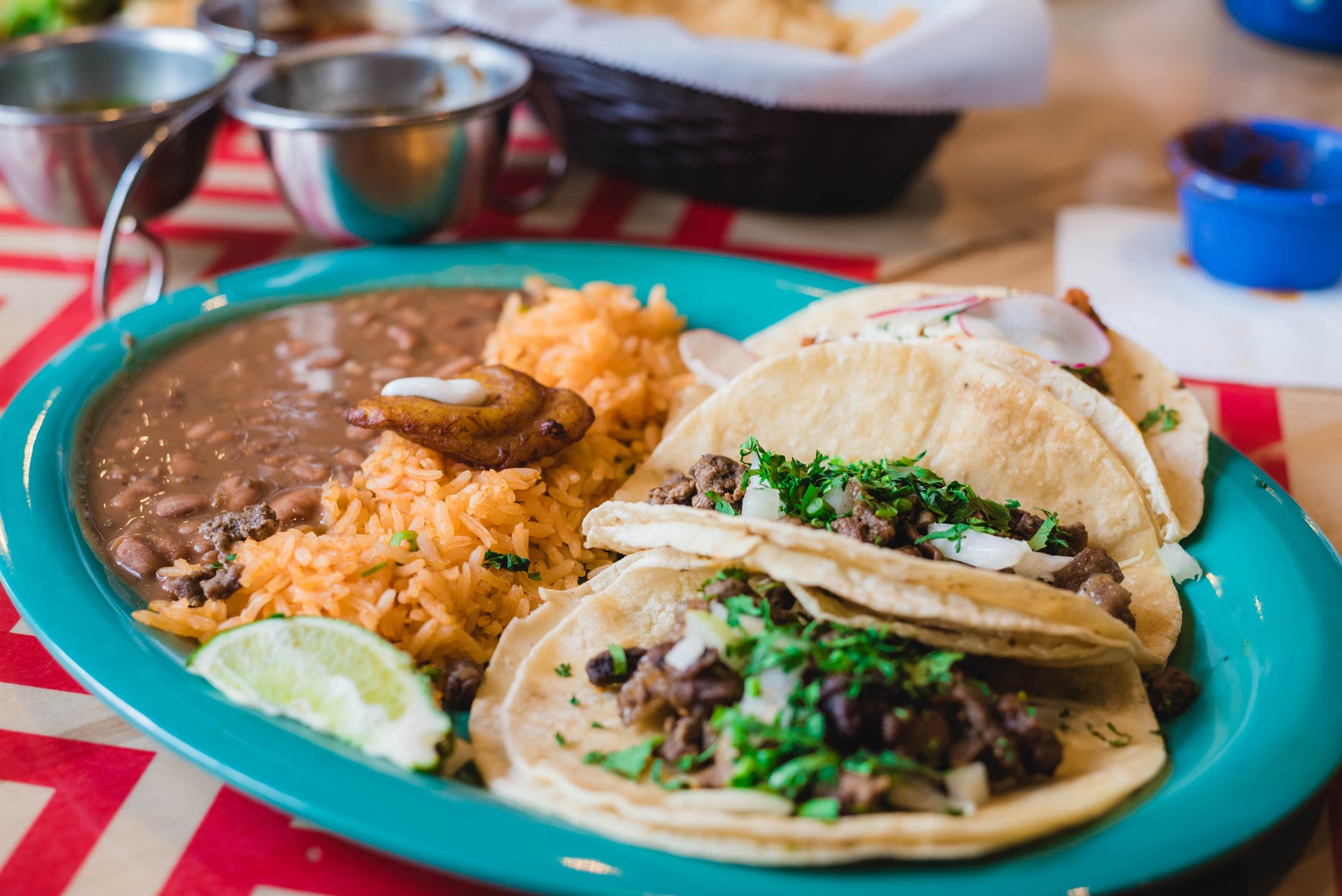
Howdy adventurers! There’s a saying in Texas that if you are looking for the best tacos in Austin, you should drive about 45 minutes down Interstate 35 to San Antonio. San Antonio is a distinguished site in Texas history best known for the Missions and the Alamo. It is a city rich in Mexican and Hispanic influence. However, San Antonio is home to much more than good Mexican food and old buildings.
Some of San Antonio’s notable alliances include “The Count-down City”, “The 210”, “Spurs Nation”, “The Alamo City”, and more importantly, “Military City, U.S.A.”. San Antonio is home to four massive military bases!
If someone enlists in the military with the intention of going a medical route or military intelligence route, there’s a good chance they’ll do their basic training in San Antonio. Not to mention, Fort Sam Houston houses the Brooke Army Medical Center, one of the top burn centers in the world. This means that in San Antonio, there is constantly a rotation of all different kinds of people coming in from all over the country and world every day!
With that being said, it’s safe to say that you’ll find more than just tacos and shrines to The Big Three in this city. But unless you’re a local, you’ll probably miss the Japanese influence in San Antonio.
Tucked away in Brackenridge Park, a limestone quarry was made in to a massive garden and lily pond. Today, that garden and pond are known as The Japanese Tea Gardens. The gardens are still not well known among outsiders because it was only about 11 years ago, in 2008, that this area of the park was restored and re-opened. The Japanese Tea Garden has a lengthy, twisted, yet fascinating history and you can read up on it on the park’s website here.
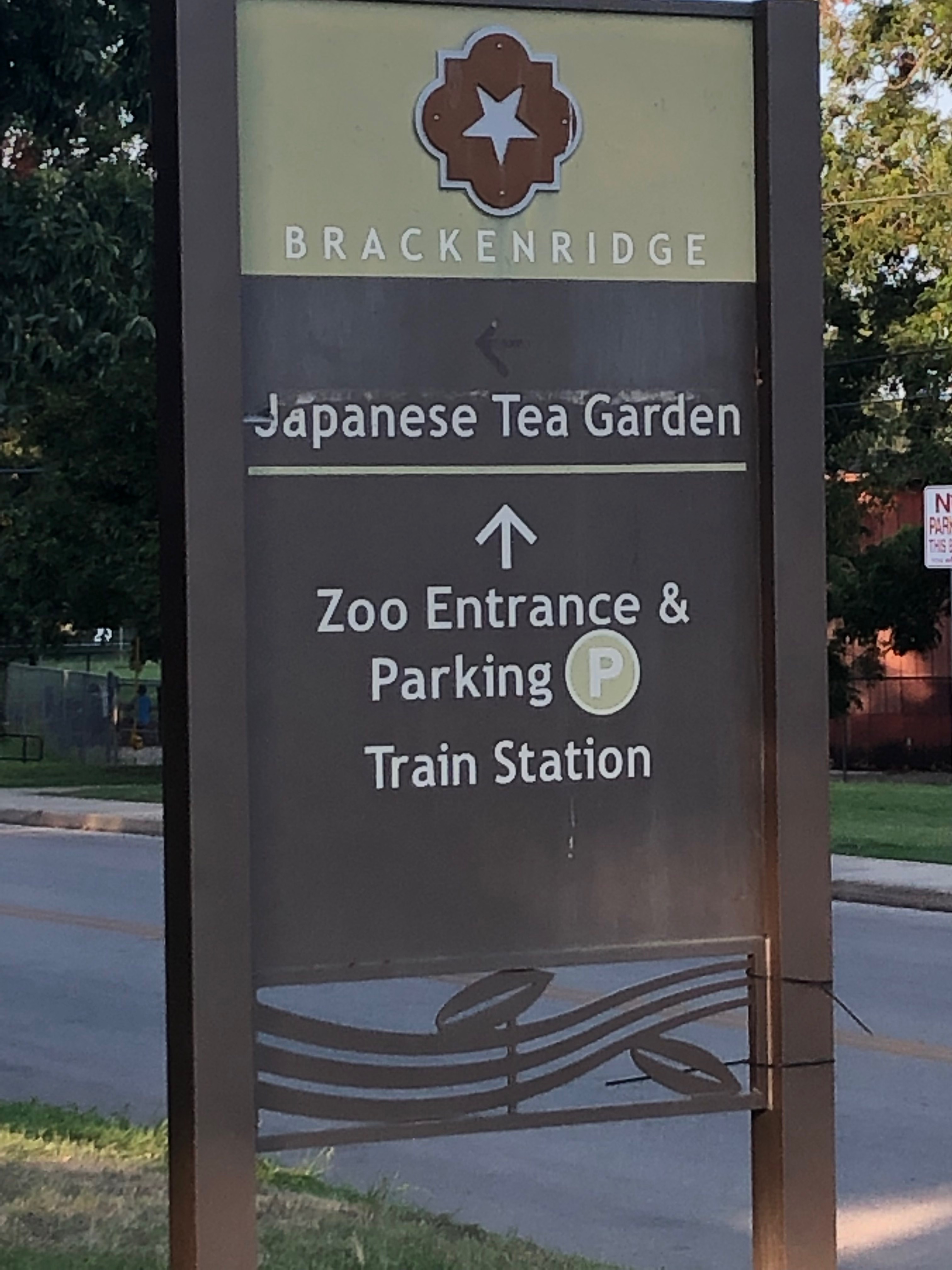
The Japanese Tea Gardens are easy to find. If you type them into any map platform on your phone, you will get there.
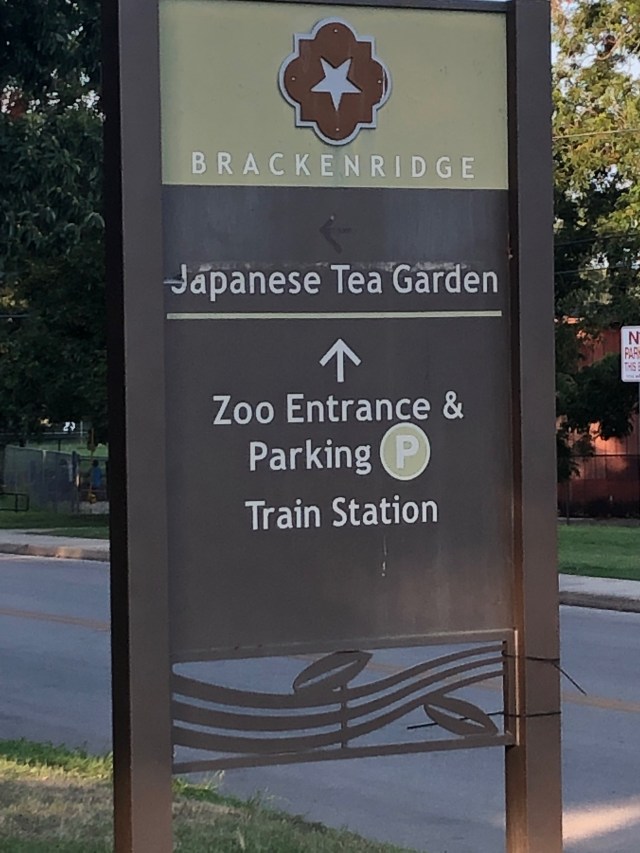
Parking can be tricky considering this is a bustling area. You have to keep in mind that major tourist attractions such as the San Antonio Zoo and Brackenridge Train are a walking distance from the gardens.
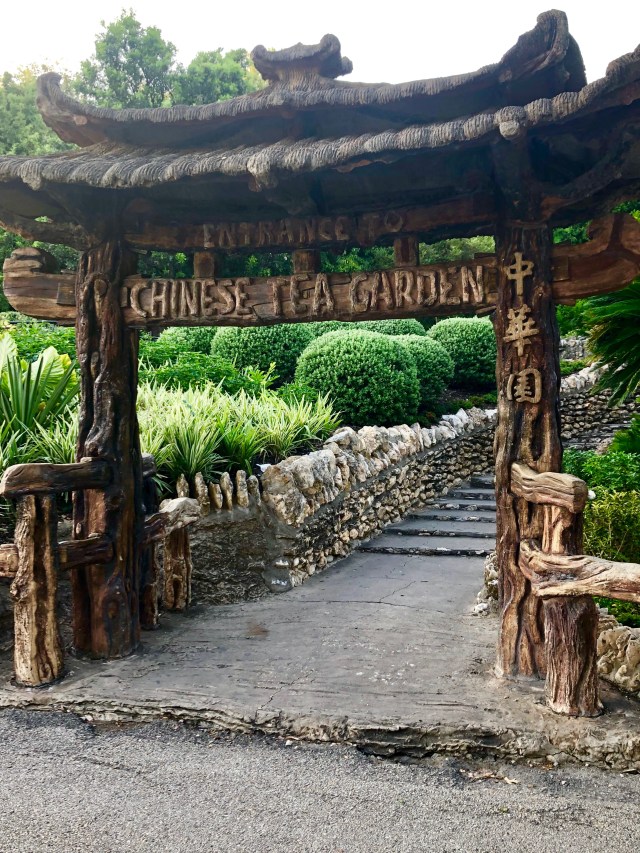
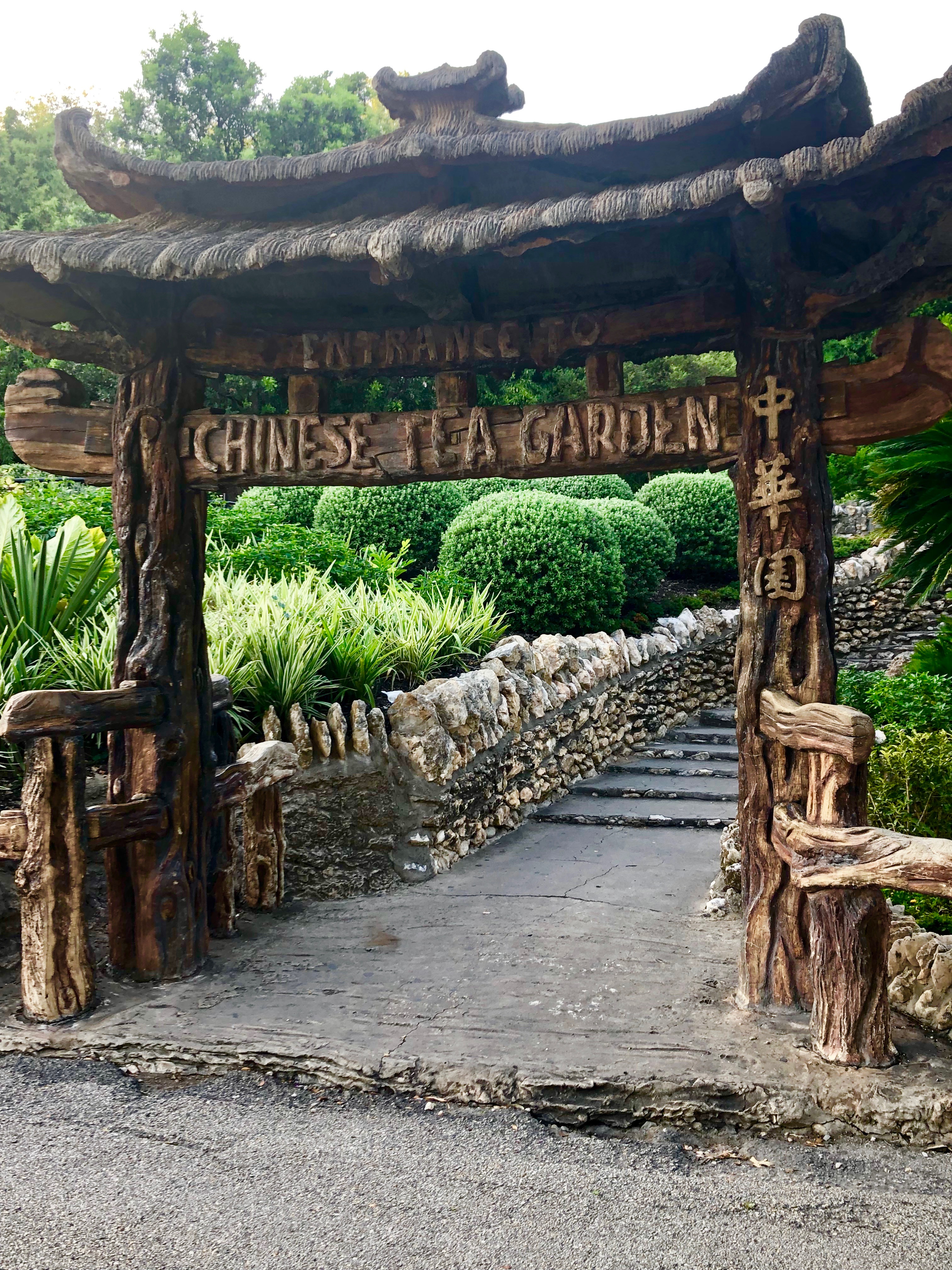
Don’t let the sign fool you! Even though it says, ‘Chinese Tea Garden’, it is in fact, Japanese. The reasoning behind this sign is in the history link I mentioned above.
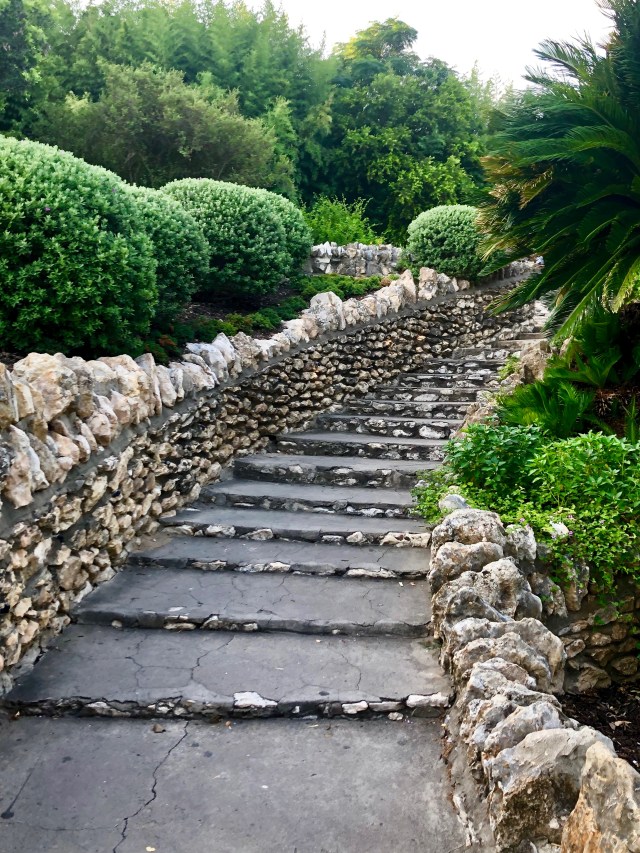
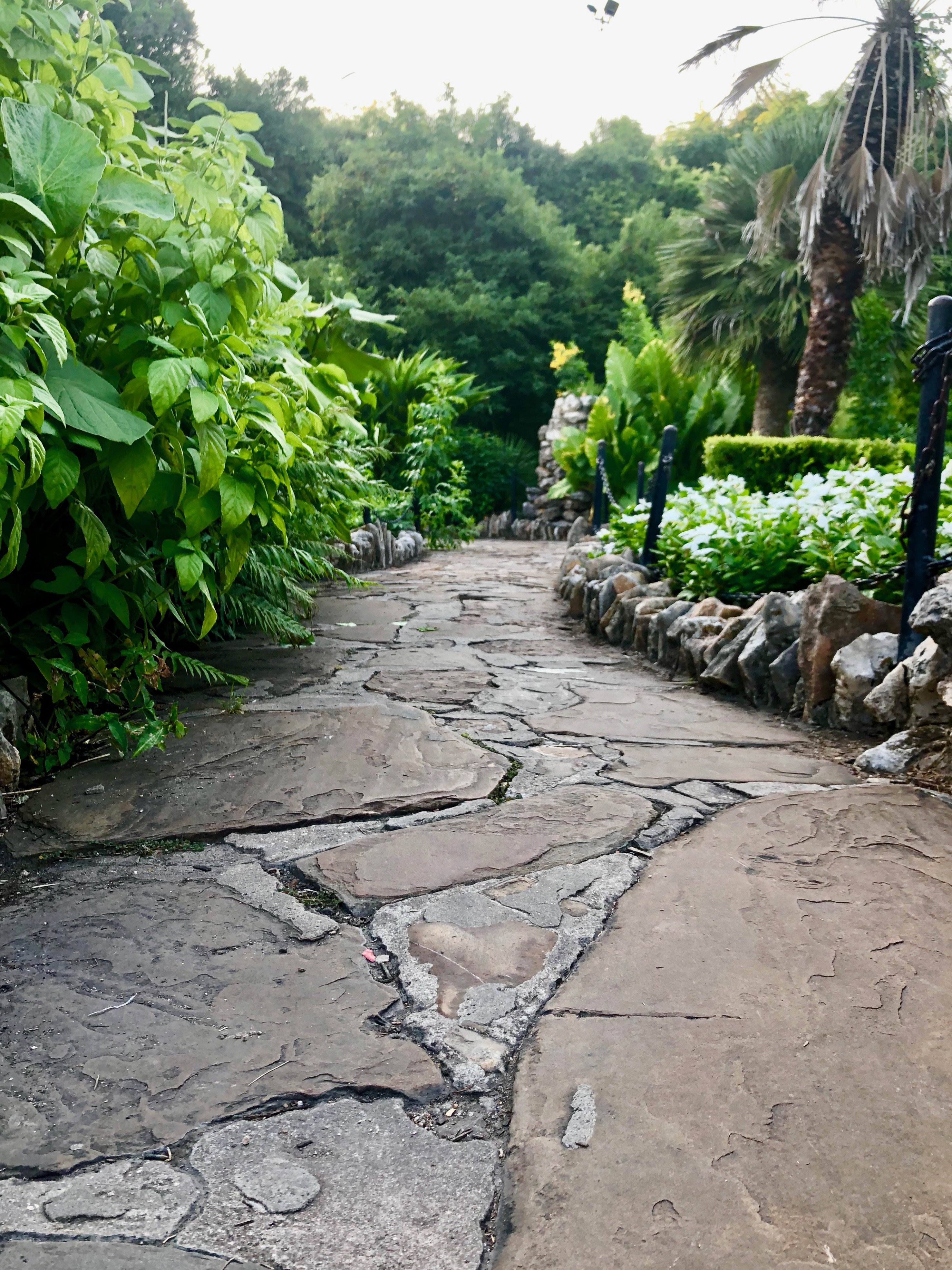
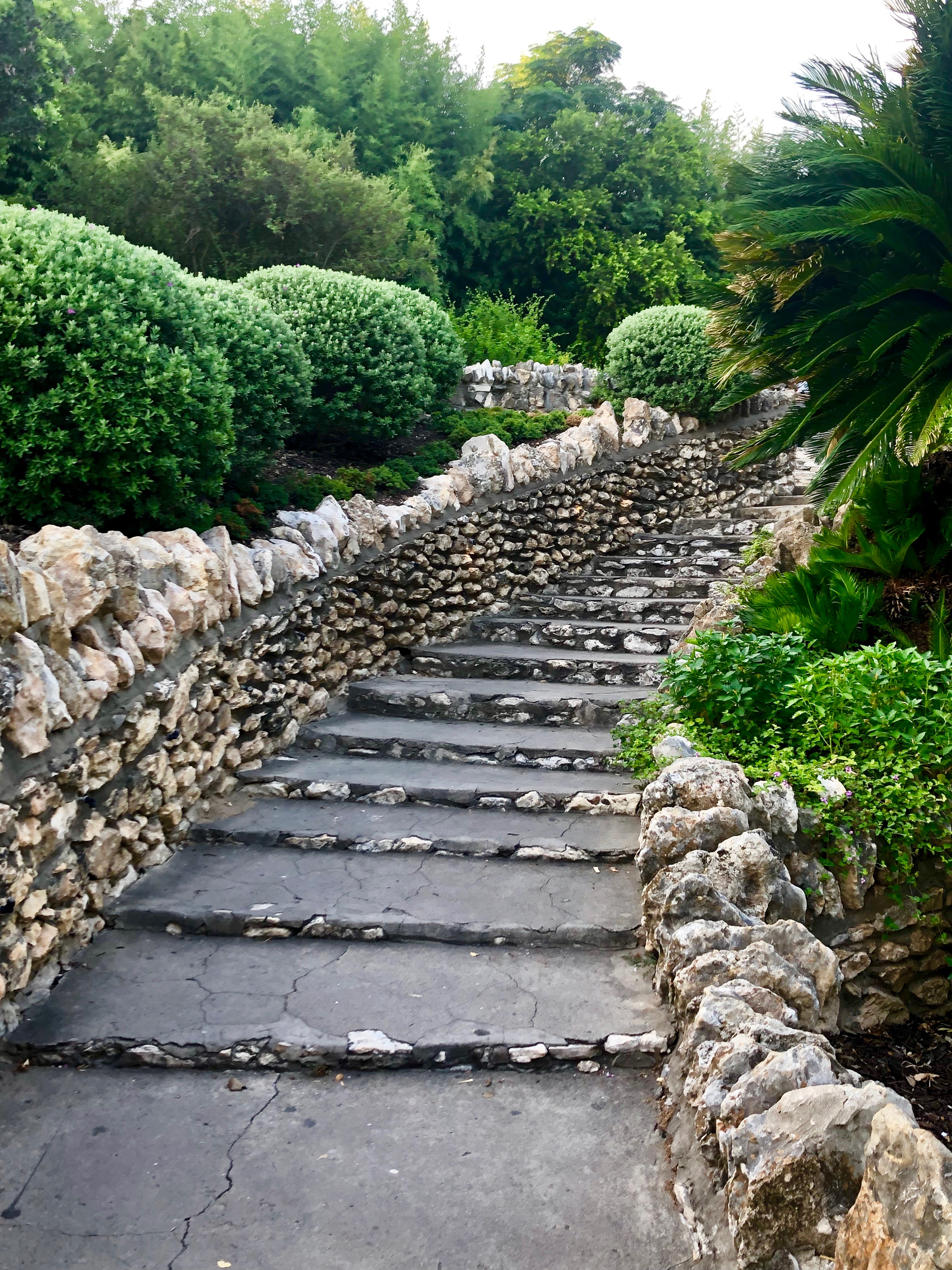
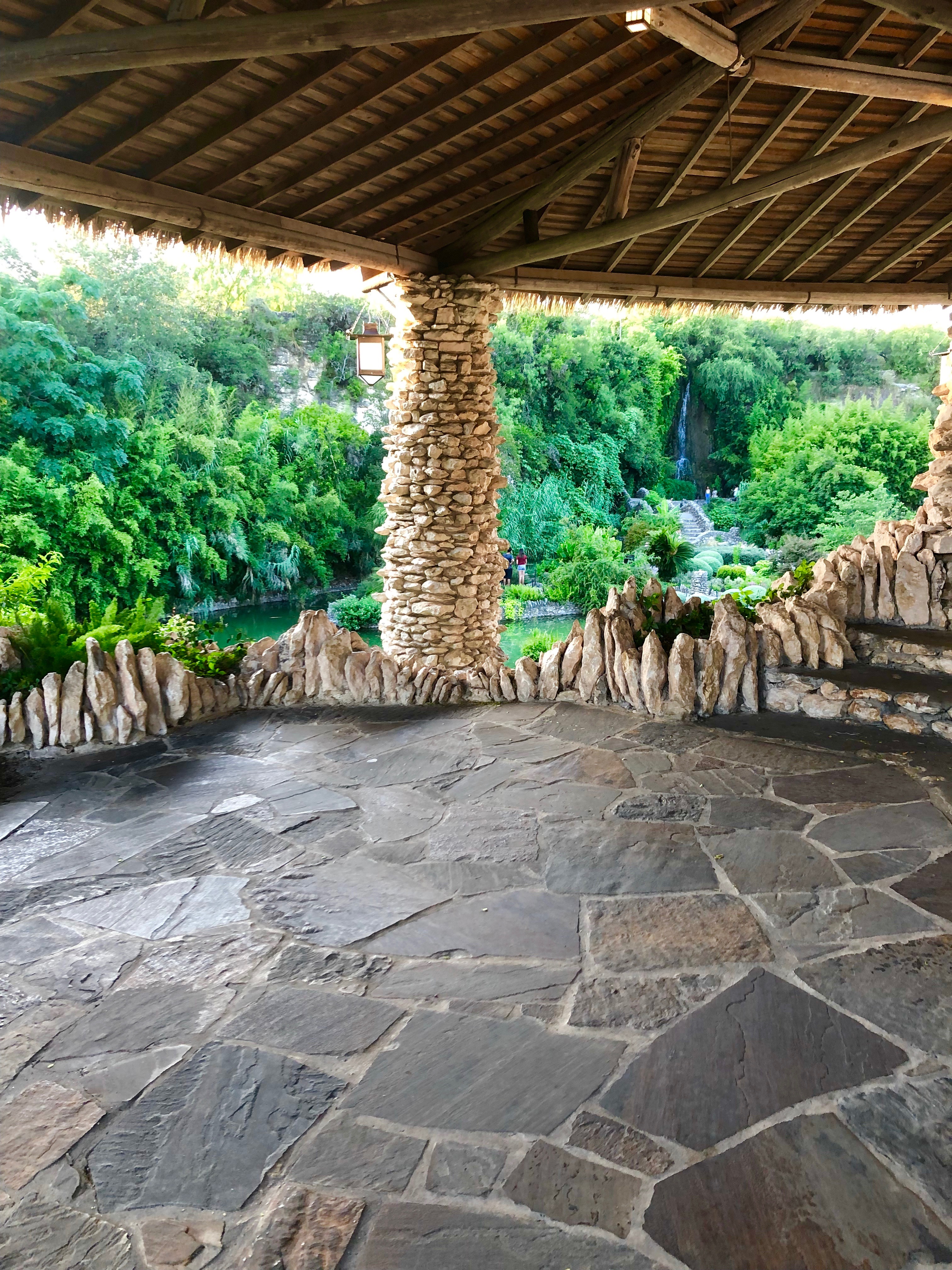
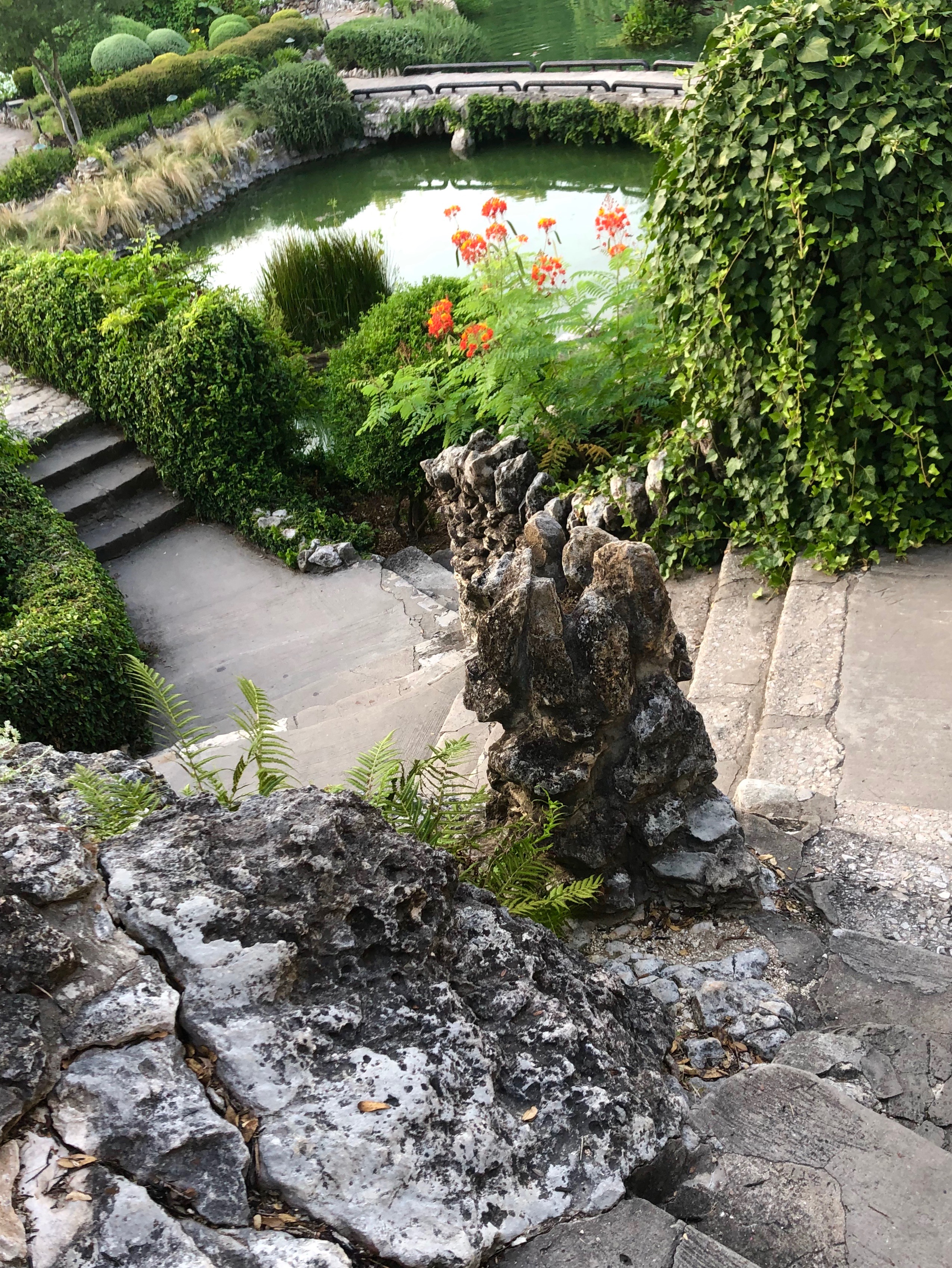
You can’t miss the masterful limestone-work done throughout the garden. Up these steps you can also find a small tea shop, I’ve put the link to their website here. It’s a scenic and secluded place to sit and enjoy the view of the garden. It’s also a very unique spot for a date!
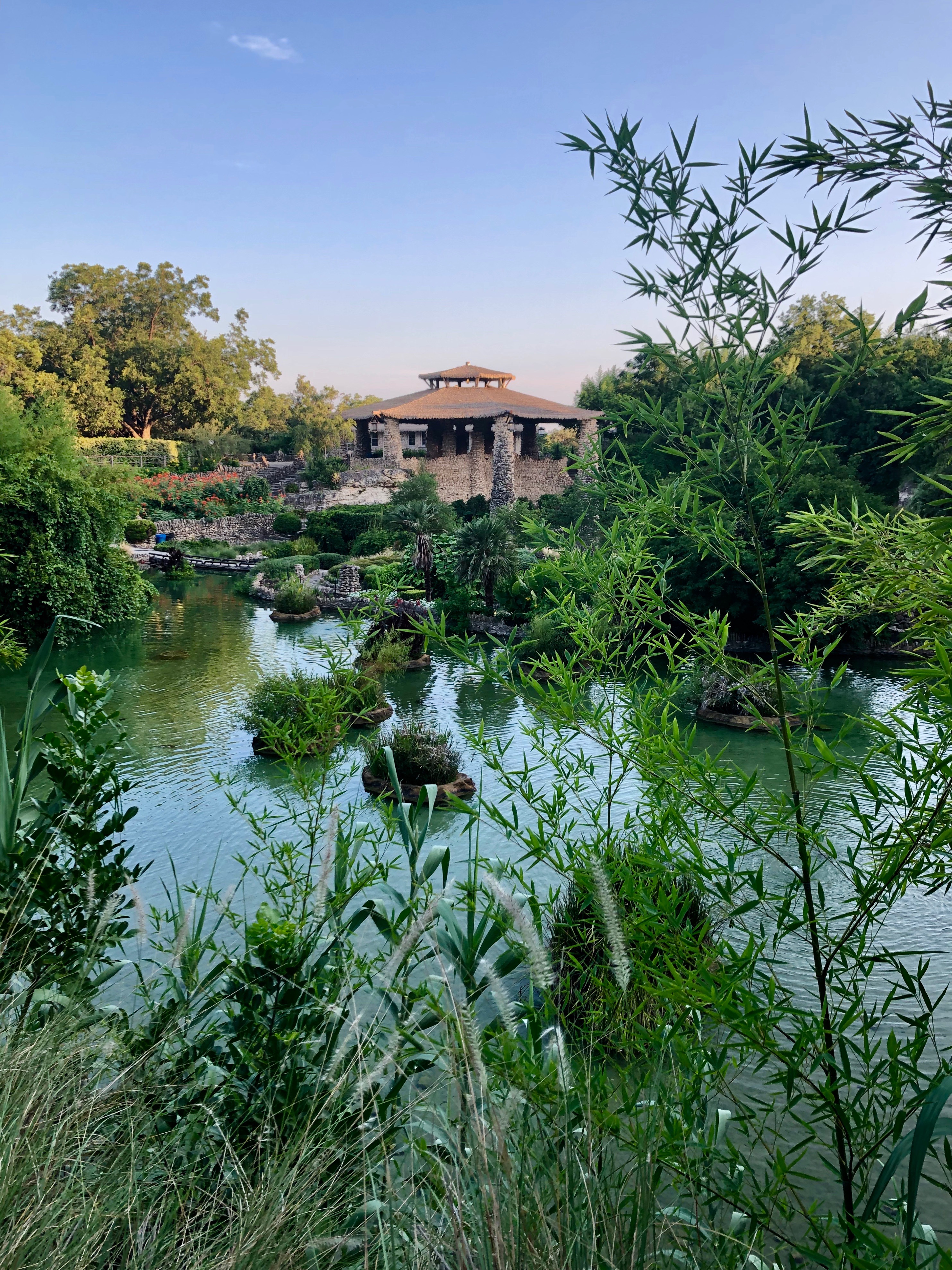
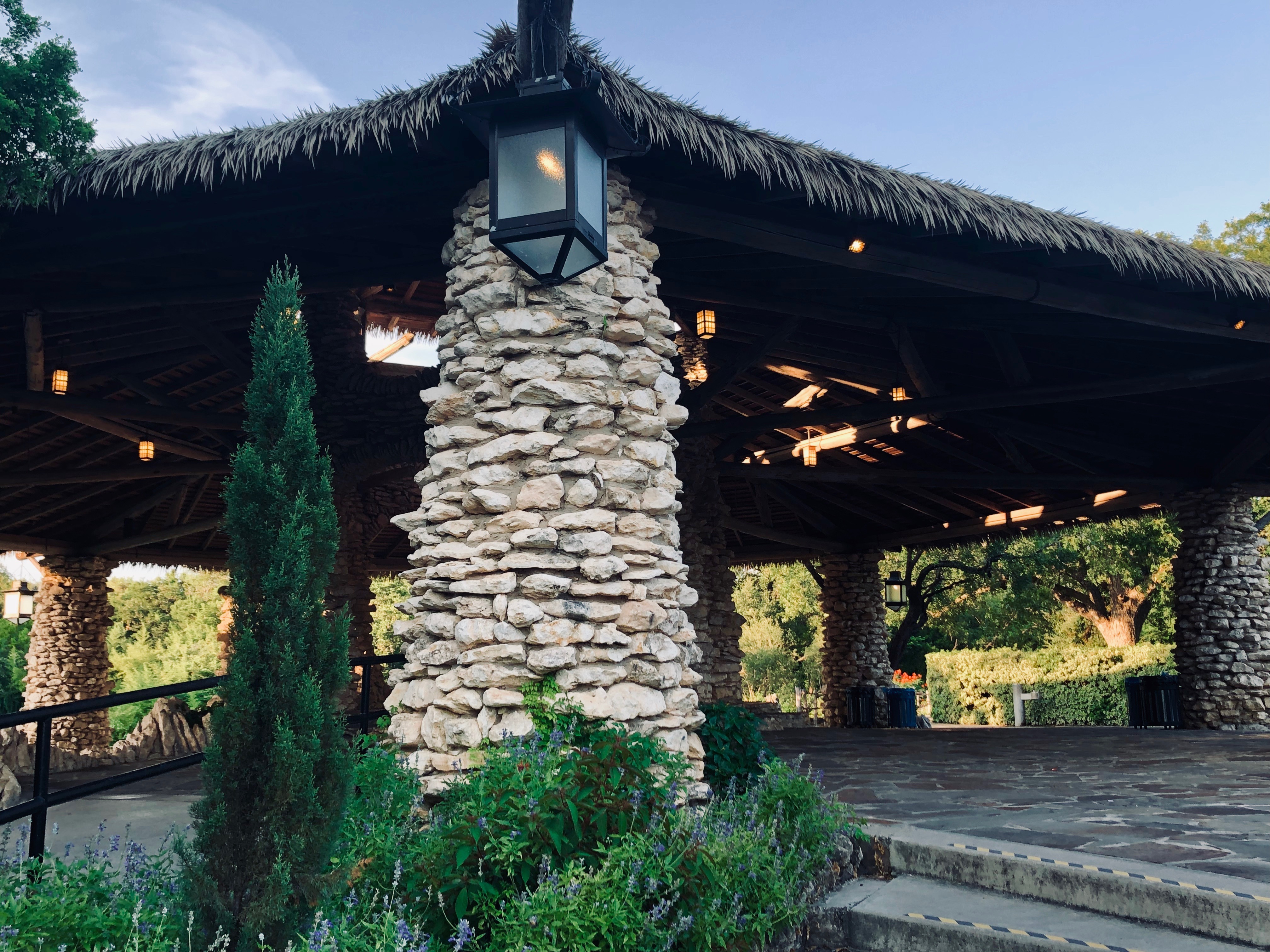
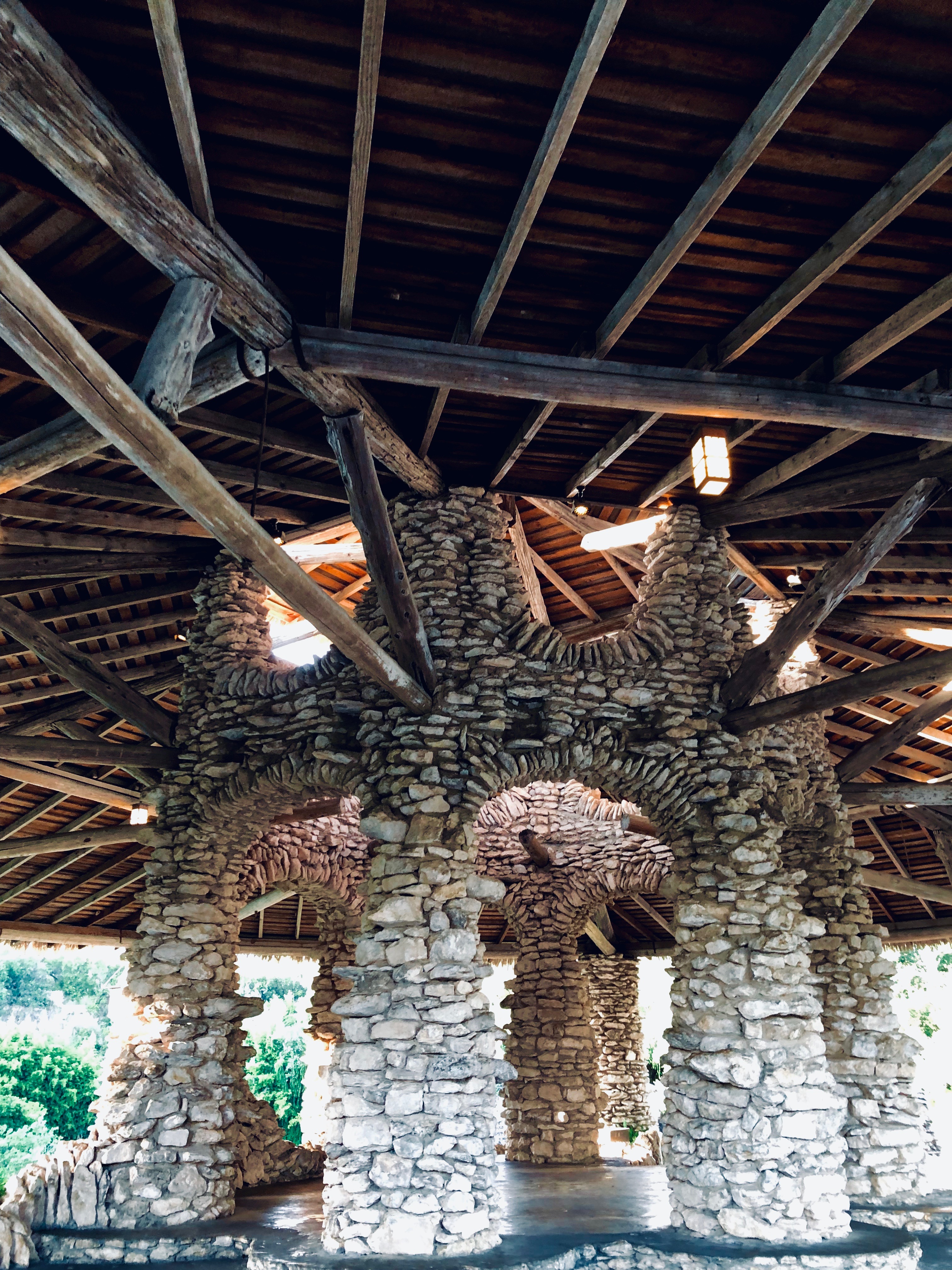
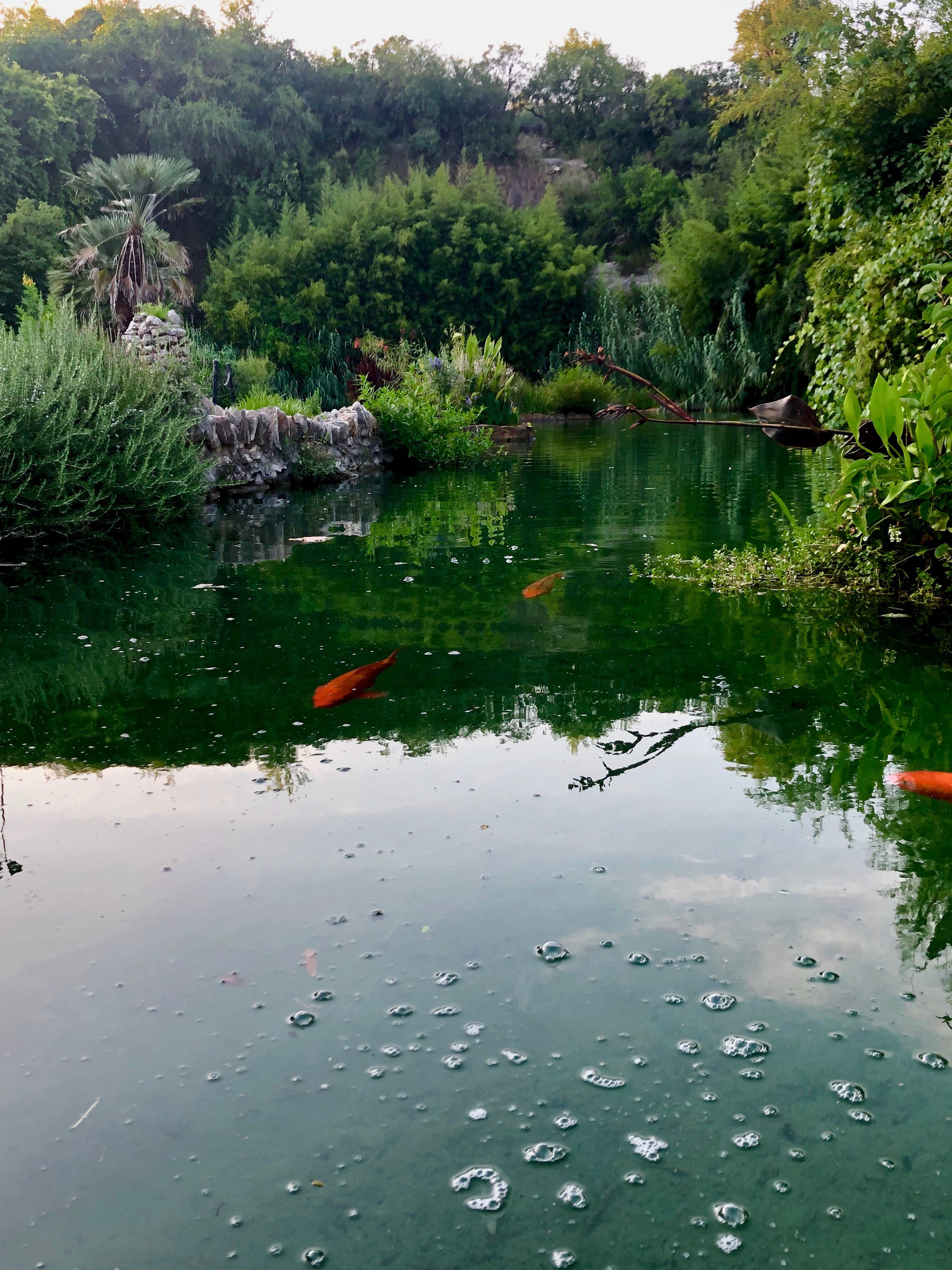
The pavilion at the top of the stairs is the most iconic part of the gardens and a great escape from the direct sunlight in the mid-afternoon. The pavilion overlooks the lush, well-kept garden as well as the expansive koi pond.

The city spends a lot of money to keep the gardens looking healthy and well-maintained year-round, and are open to the public daily for free, so you never have to worry about the seasons to visit.
Here are some tips and things to keep in mind if you plan on visiting the Japanese Tea Gardens:
- This is not a trail. You won’t be getting a strenuous workout by visiting the gardens, most visitors are there to stroll and admire their surroundings.
- You cannot swim in the pond (have to mention this, sorry). Do not bring your swimsuit and cooler. The water is not clean enough for humans to frolic in, nor is it allowed.
- It is not dog friendly, the park officials do not want your four-legged friend trampling through the landscaping, much less leaving behind any presents.
- Lots of steps and uneven pavement! This is probably not the best place to break in your new stilettos.
- Feel free to dress up! There are many Instagram-worthy spots in the garden.
- Very family friendly. Because the Zoo and Train are nearby, this spot is accommodating for children of all ages!
- You cannot drink or smoke in the park.
- It’s free!
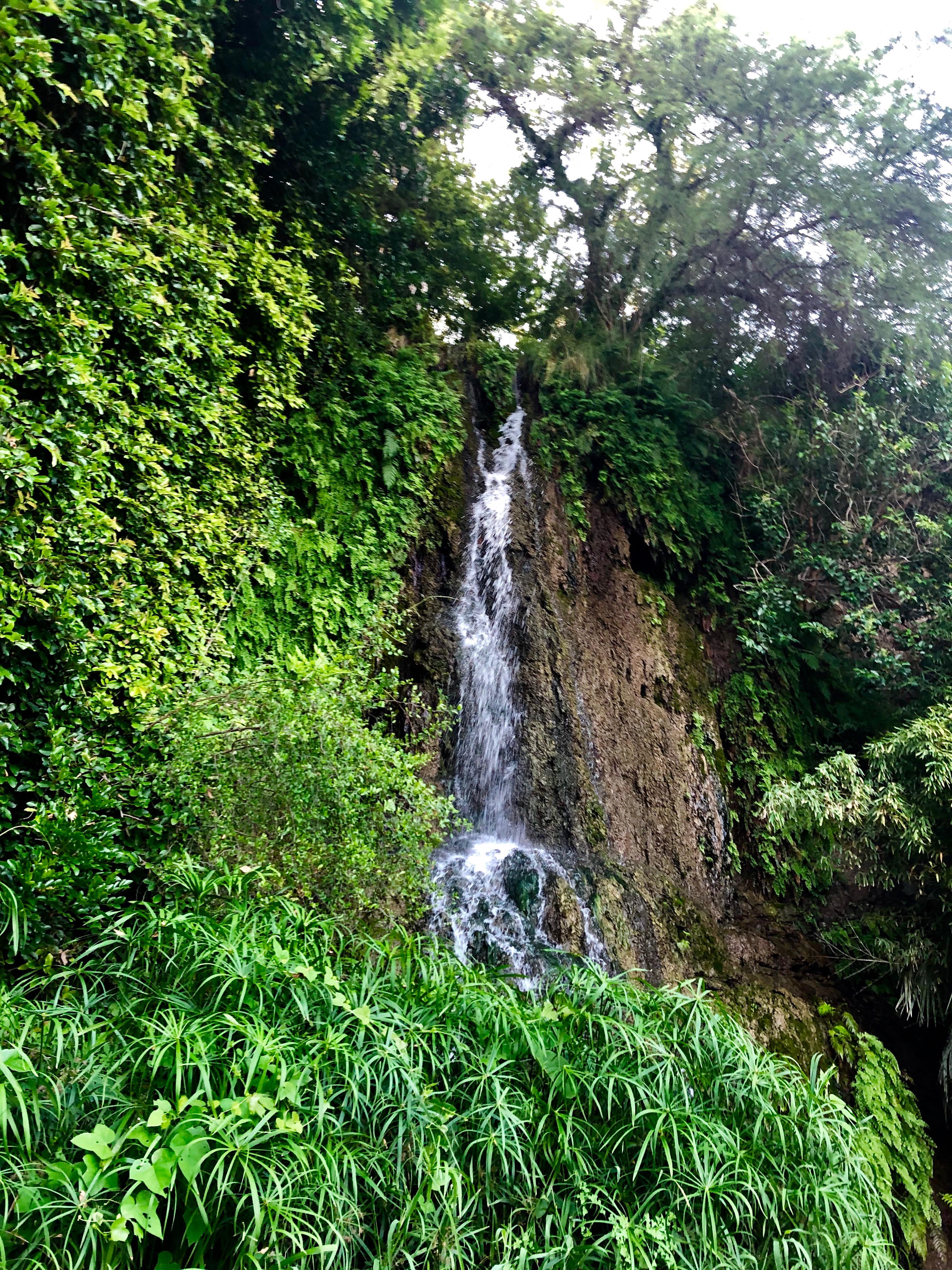
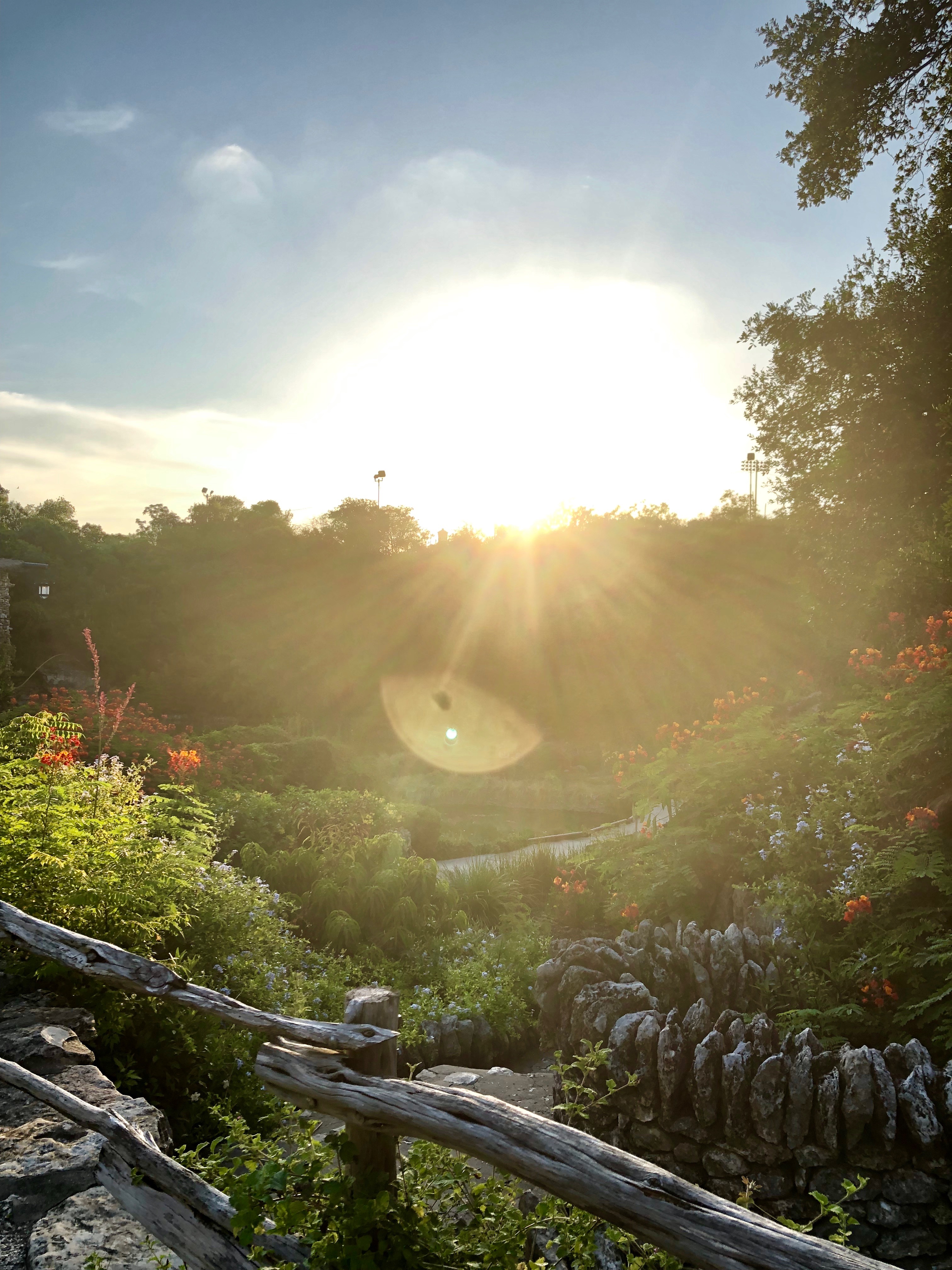
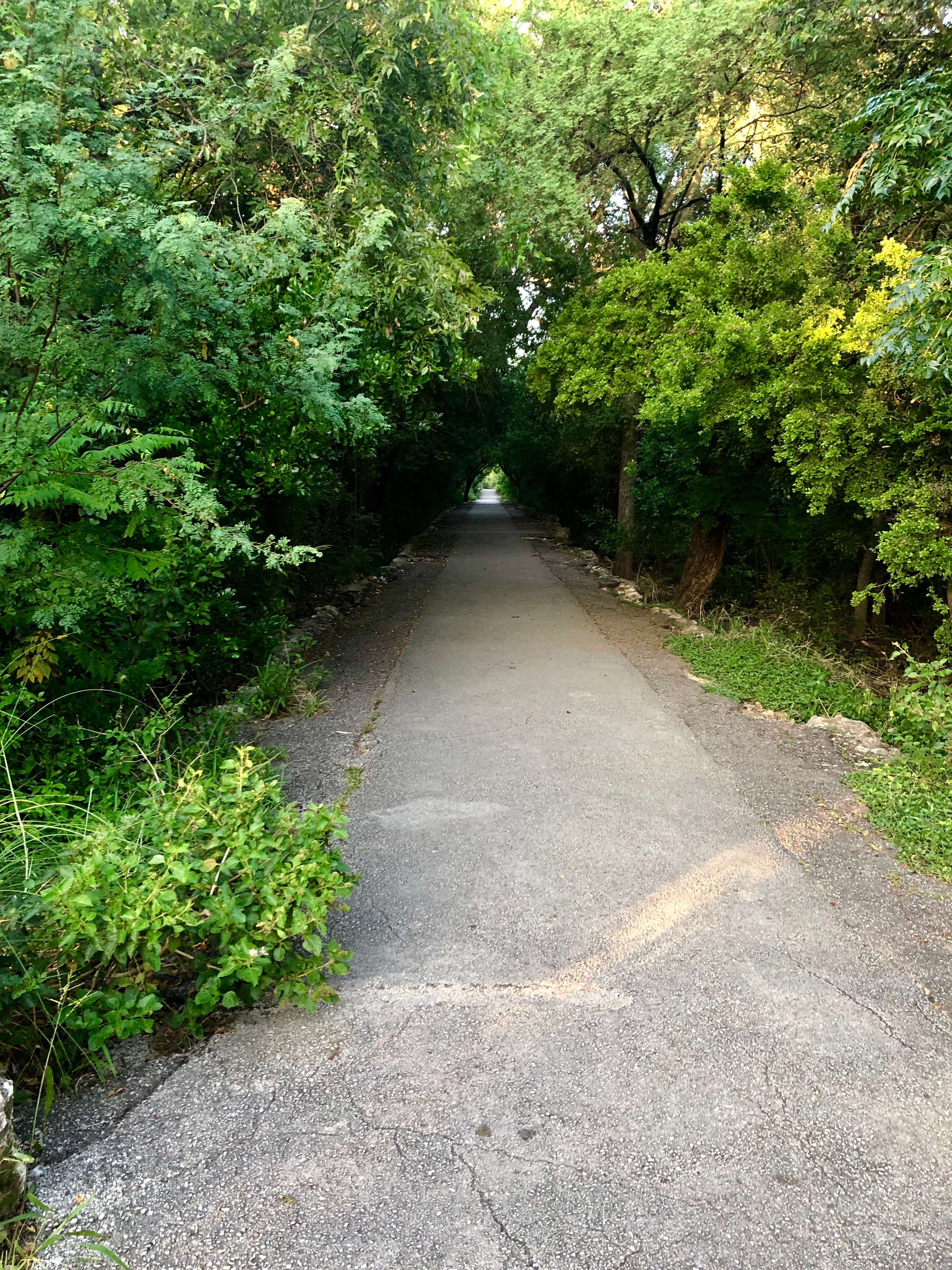
Overall, even if San Antonio locals know about the Japanese Tea Gardens, I would still consider them a hidden gem because rarely do people ever travel to San Antonio for Japanese gardens. I would rate the gardens a solid four out of five stars. I still like to get my workout in, but these gardens never disappoint. Also when you’re a broke college student, any free tourist attraction is a good one. Below I’ve inserted a gallery of my trip!

Please reply with any suggestions on lesser-known destinations I should travel to next!
 Hidden Texas